September 4, 2026
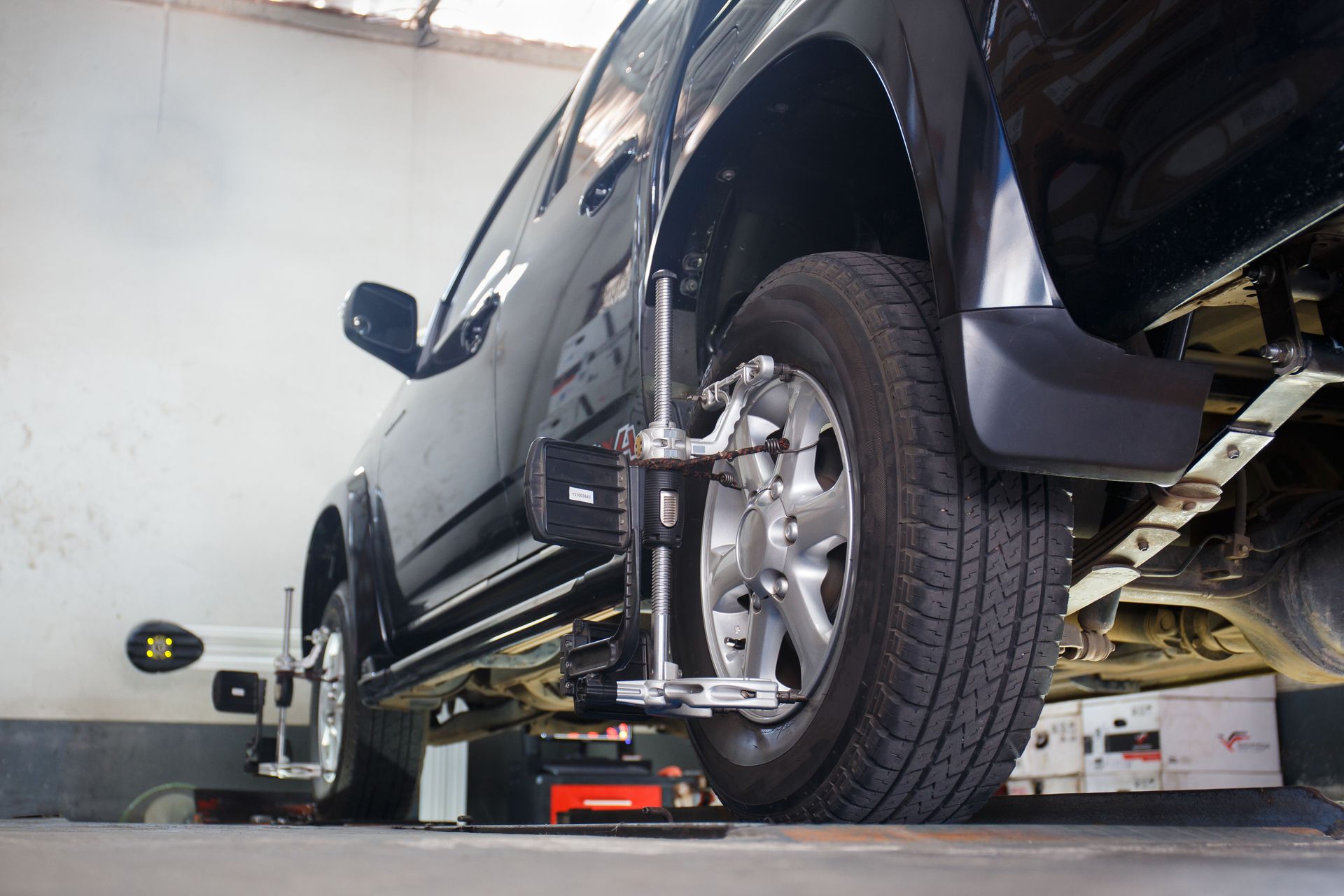
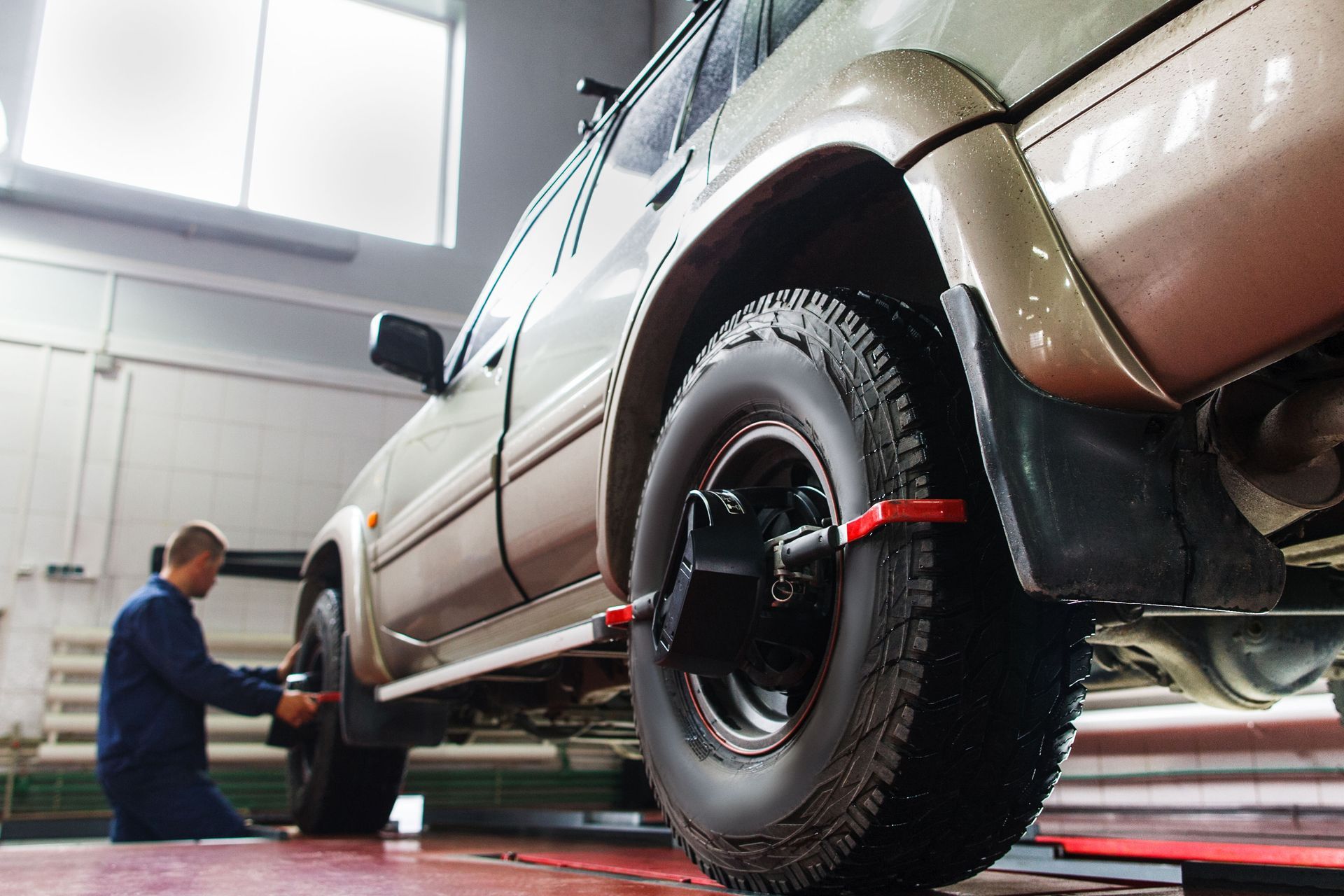
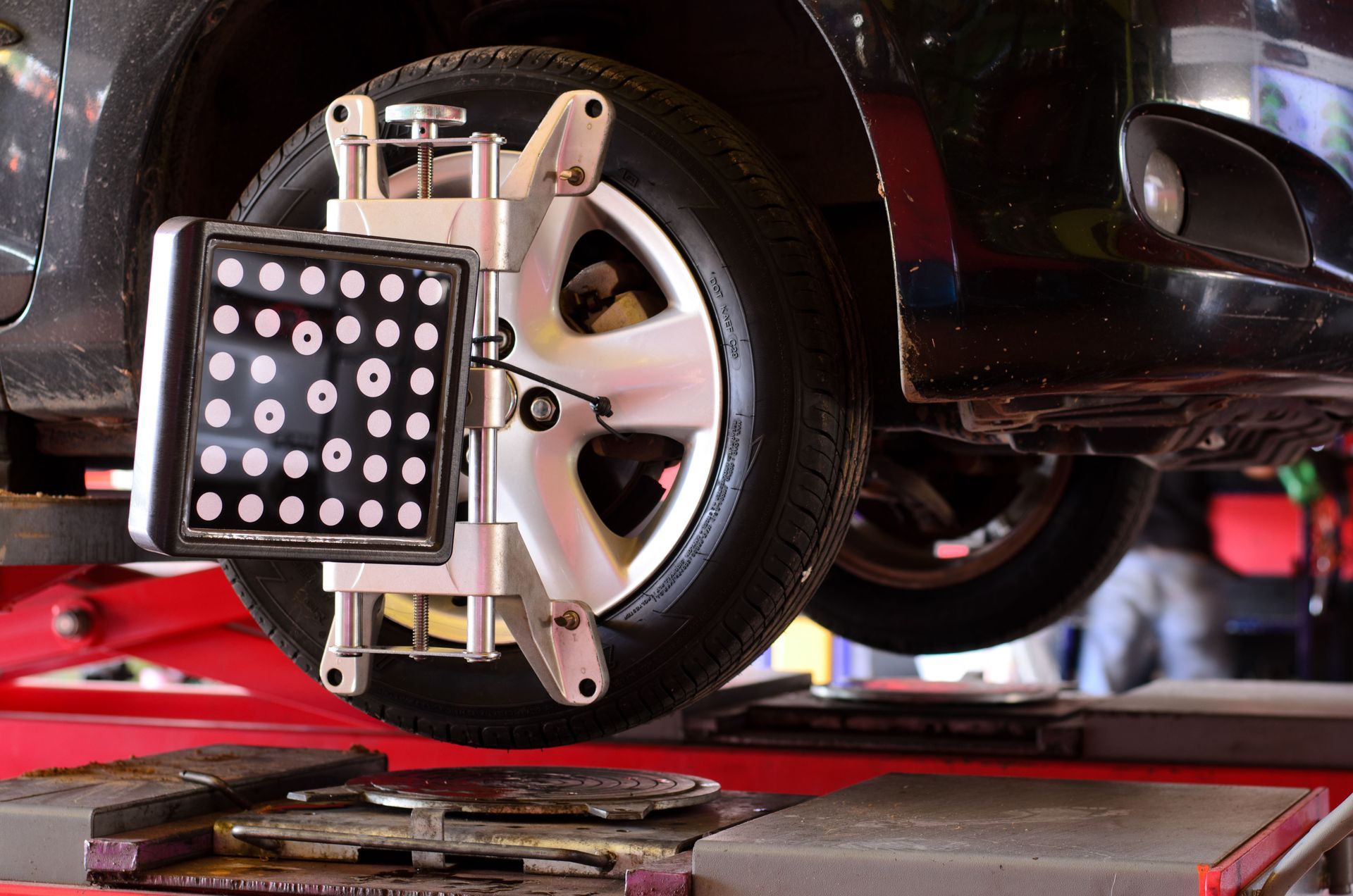
Every modern automobile relies on a delicate balance of mechanical components, tire treads, and suspension geometry to navigate roadway surfaces safely, smoothly, and efficiently. While vehicle owners frequently monitor fluid levels, oil changes, and tire inflation pressures, geometric angles under the chassis often receive far less attention. Over time, striking deep potholes, bumping curbs, traveling over rough gravel paths, or experiencing everyday suspension wear gradually forces steering components out of alignment. When tires point away from their true geometric vectors, the vehicle no longer rolls forward with minimal resistance. Instead, improper steering angles force tires to drag sideways across asphalt surfaces, creating massive rolling resistance that burdens the internal combustion engine or electric battery pack. According to Consumer Affairs, passenger vehicles and light trucks in the U.S. have an average age of 12.5 years. Keeping aging automobiles operating smoothly requires precise chassis maintenance to avoid unnecessary mechanical strain and rising operating costs. Scheduling a routine wheel alignment service restores original suspension angles, reducing rolling friction, saving substantial fuel expenses, and optimizing overall vehicle efficiency across every mile.
Eliminating Continuous Tire Drag and Rolling Resistance
Understanding how misaligned suspension angles create unnecessary tire drag illuminates the direct link between chassis geometry and fuel consumption. When wheels are properly calibrated, every tire rolls parallel to the direction of travel, minimizing physical friction with the pavement. However, when toe or camber angles drift off center, the tires continuously scrub sideways against the road surface. This lateral dragging effect behaves like a constant braking force applied to the vehicle, requiring the engine to burn additional fuel simply to maintain highway cruising speeds. The extra energy expended to overcome this friction translates directly into poor gas mileage and frequent stops at the gas pump. Correcting proper suspension angles ensures that all four tires rotate smoothly without scrubbing against the asphalt. Investing in professional wheel alignment service removes unnecessary rolling resistance, allowing your engine to propel the vehicle forward using minimal fuel.
Mitigating Irregular Tread Wear to Maximize Mileage
Evaluating tire tread conditions reveals how uneven wear patterns drastically impair fuel economy while shortening total tire lifespan. When suspension components hold tires at improper angles, specific areas of the tread absorb disproportionate amounts of weight, heat, and friction. This uneven stress leads to severe tread cupping, inner edge wear, or outer shoulder feathering, creating rough rolling surfaces across the tire face. Irregular tread wear disrupts smooth tire rotation, generating excess heat, vibration, and mechanical resistance that degrades overall vehicle efficiency. Furthermore, damaged tire treads compromise road traction, forcing drivers to apply more throttle during acceleration to maintain momentum. Timely suspension adjustments preserve balanced tread wear across all four positions, ensuring optimal road contact and smooth rolling performance. Partnering with certified technicians for a precise wheel alignment service preserves tread integrity, extends tire service life, and maintains maximum fuel efficiency.
Reducing Strain on Engine and Powertrain Components
Analyzing mechanical workloads across internal combustion engines and electric powertrains highlights how misaligned wheels force mechanical systems to overwork. When chassis components drag tires sideways, the vehicle's engine, transmission, and differential must generate additional torque to overcome continuous drag. This elevated workload forces automatic transmissions to shift down into lower gears more frequently, increasing engine revolutions per minute and burning significantly more fuel. For electric and hybrid models, overcoming extra rolling resistance rapidly drains battery reserves, drastically reducing total driving range on a single charge. Furthermore, constant powertrain strain accelerates internal component wear, leading to premature transmission fluid breakdown and mechanical fatigue over time. Restoring proper suspension geometry allows the entire drivetrain to operate within its intended efficiency ranges without working against constant physical resistance. Booking a periodic wheel alignment service relieves unnecessary engine stress, preserving drivetrain reliability and reducing ongoing fuel consumption.
Improving Steering Geometry and Highway Vehicle Tracking
Observing daily handling dynamics demonstrates how proper steering tracking saves energy during high-speed highway commuting. Misaligned suspension angles frequently cause vehicles to drift or pull toward one side of the road, forcing drivers to maintain continuous counter-steering pressure on the steering wheel to stay centered in their lane. This constant manual correction forces the steering system, power steering pump, and tires to operate at micro-angles rather than rolling straight. Moving down the highway while constantly correcting directional drift creates continuous aerodynamic drag and mechanical friction. A properly calibrated suspension system keeps the vehicle traveling in a true straight line effortlessly, requiring minimal steering intervention from the driver. Smooth, straight tracking allows the vehicle to cut through air currents efficiently without wasting kinetic energy on continuous directional drift. Scheduling a thorough wheel alignment service restores effortless straight-line tracking, creating a comfortable driving experience while maximizing highway fuel economy.
Optimizing Inflation Pressure and Road Contact Patches
Examining tire contact patches shows how proper alignment maximizes the aerodynamic and rolling efficiency of correctly inflated tires. Maintaining proper tire inflation pressure remains a critical aspect of fuel conservation, but improper alignment angles negate the benefits of fully inflated tires. Even when inflated to exact manufacturer recommendations, a misaligned tire rests unevenly on the road, altering the ideal footprint designed for low rolling resistance. This distorted contact patch increases tread flex and internal heat generation, which consumes extra energy as the wheel rotates. Proper suspension geometry aligns the tire perpendicular to the road, ensuring that the entire width of the tread rests flat against the pavement. This uniform contact patch allows correct tire pressure to function as intended, minimizing sidewall flex and optimizing rolling momentum. Relying on expert wheel alignment service ensures your tires maintain their optimal contact patch, supporting both vehicle safety and peak fuel efficiency.
Protecting Suspension Components from Premature Wear
Reviewing chassis health highlights how proper alignment prevents cascading mechanical wear across costly suspension and steering parts. Misaligned wheels transfer harsh road vibrations and uneven impact forces directly into ball joints, tie rods, control arm bushings, and strut assemblies. When key suspension joints loosen or deform under continuous lateral stress, wheel angles drift even further out of specification, compounding fuel efficiency losses over time. Replacing worn suspension components quickly becomes expensive, adding unnecessary repair costs to an already elevated fuel budget. Proactive chassis maintenance preserves proper suspension geometry, preventing premature wear on vital undercarriage components and maintaining smooth mechanical performance. Keeping internal linkages tight and aligned ensures that your vehicle retains its engineered fuel economy metrics through years of daily operation. Scheduling routine wheel alignment service safeguards delicate suspension components, preventing costly mechanical repairs while keeping your fuel consumption as low as possible.
Maintaining proper wheel alignment serves as one of the most effective yet overlooked strategies for maximizing vehicle fuel efficiency, extending tire lifespans, and protecting critical suspension components. Correcting misaligned chassis angles eliminates unnecessary tire drag, prevents irregular tread wear, reduces powertrain stress, improves highway tracking, optimizes inflation performance, and protects internal undercarriage parts. Taking proactive steps to maintain your vehicle's geometric alignment ensures smooth rolling dynamics, lowers monthly fuel expenses, and delivers a comfortable, responsive driving experience across all road conditions. Protecting your automotive investment requires prioritizing routine chassis inspections and precise mechanical adjustments performed by experienced alignment specialists. At Clark Frame & Wheel Alignment, we take immense pride in delivering top-tier chassis diagnostics, precise laser alignment adjustments, complete suspension care, and dedicated customer service to keep your vehicle running smoothly. Contact us today to schedule your comprehensive alignment inspection, improve your gas mileage, and discover how our experienced team can keep your vehicle performing at its absolute best.