May 1, 2026
A well-maintained vehicle depends on consistent care that supports safety, efficiency, and long-term durability. Among the most important maintenance services that directly influence how a vehicle performs over time, alignment stands out as a key factor in preserving both mechanical integrity and driving comfort. Wheel alignments play a crucial role in ensuring that tires maintain proper contact with the road surface, helping the vehicle operate smoothly under a wide range of driving conditions. When alignment is correct, the entire driving experience becomes more stable, predictable, and efficient, especially during daily commutes and extended highway travel.
According to The Zebra, the Federal Highway Administration reports that Americans drive an average of over 14,000 miles per year. With this level of mileage, even minor alignment issues can quickly develop into significant wear problems if they are not addressed early. Proper maintenance helps prevent uneven stress on vehicle components, improves fuel efficiency, and supports longer-lasting performance. As a result, alignment care is not just about short-term comfort but also about extending the overall lifespan of the vehicle and reducing long-term ownership costs.
Understanding Vehicle Alignment Basics
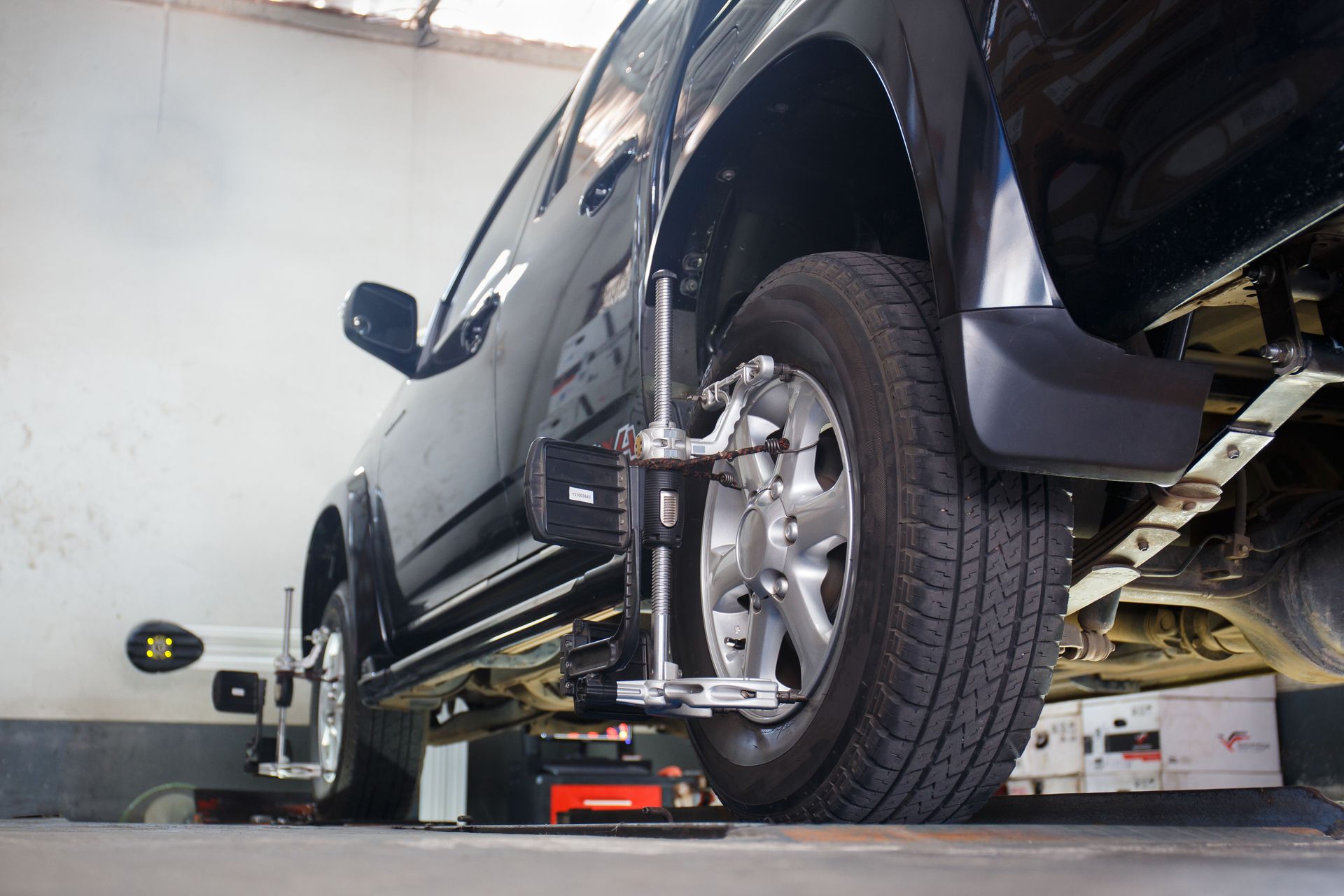
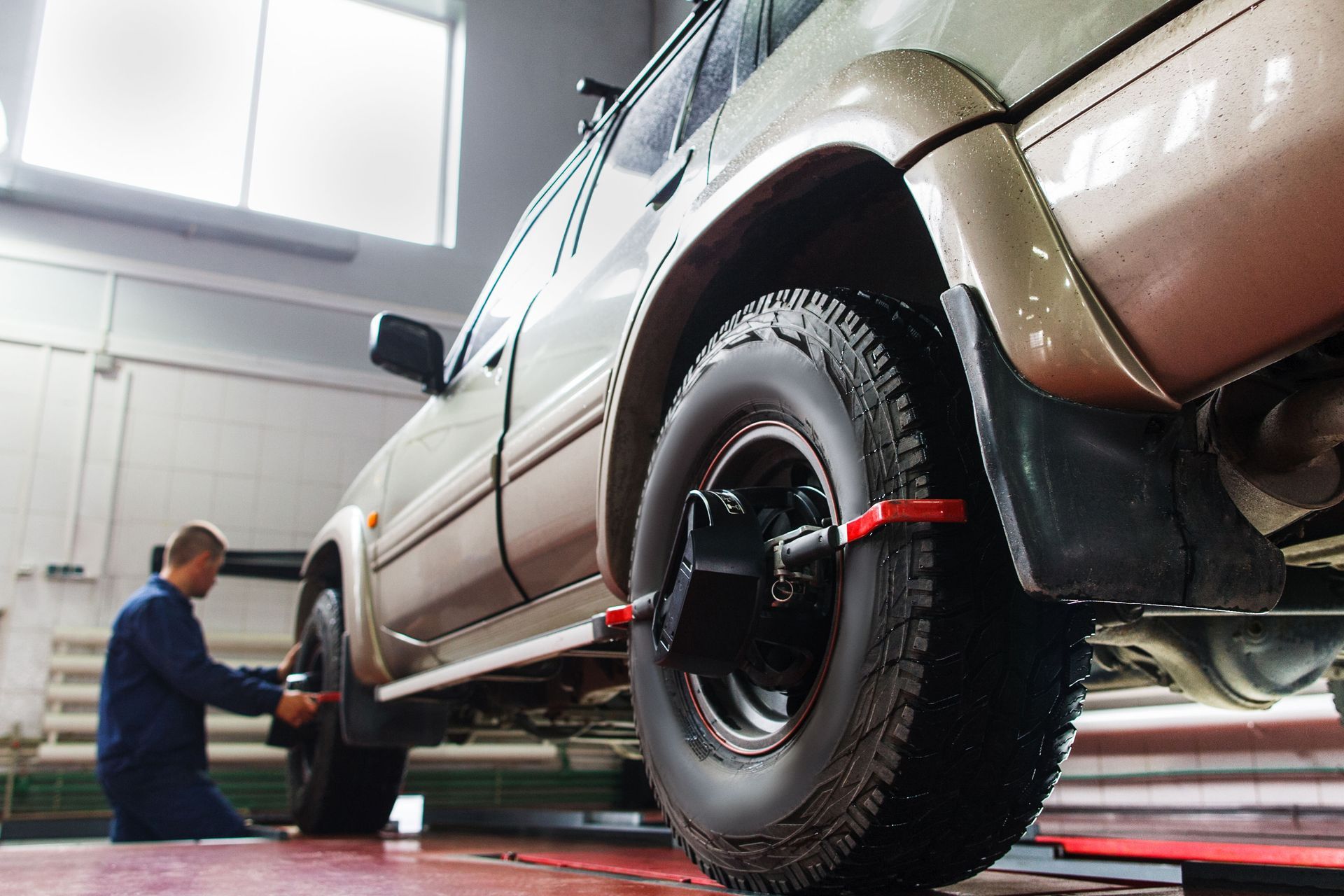
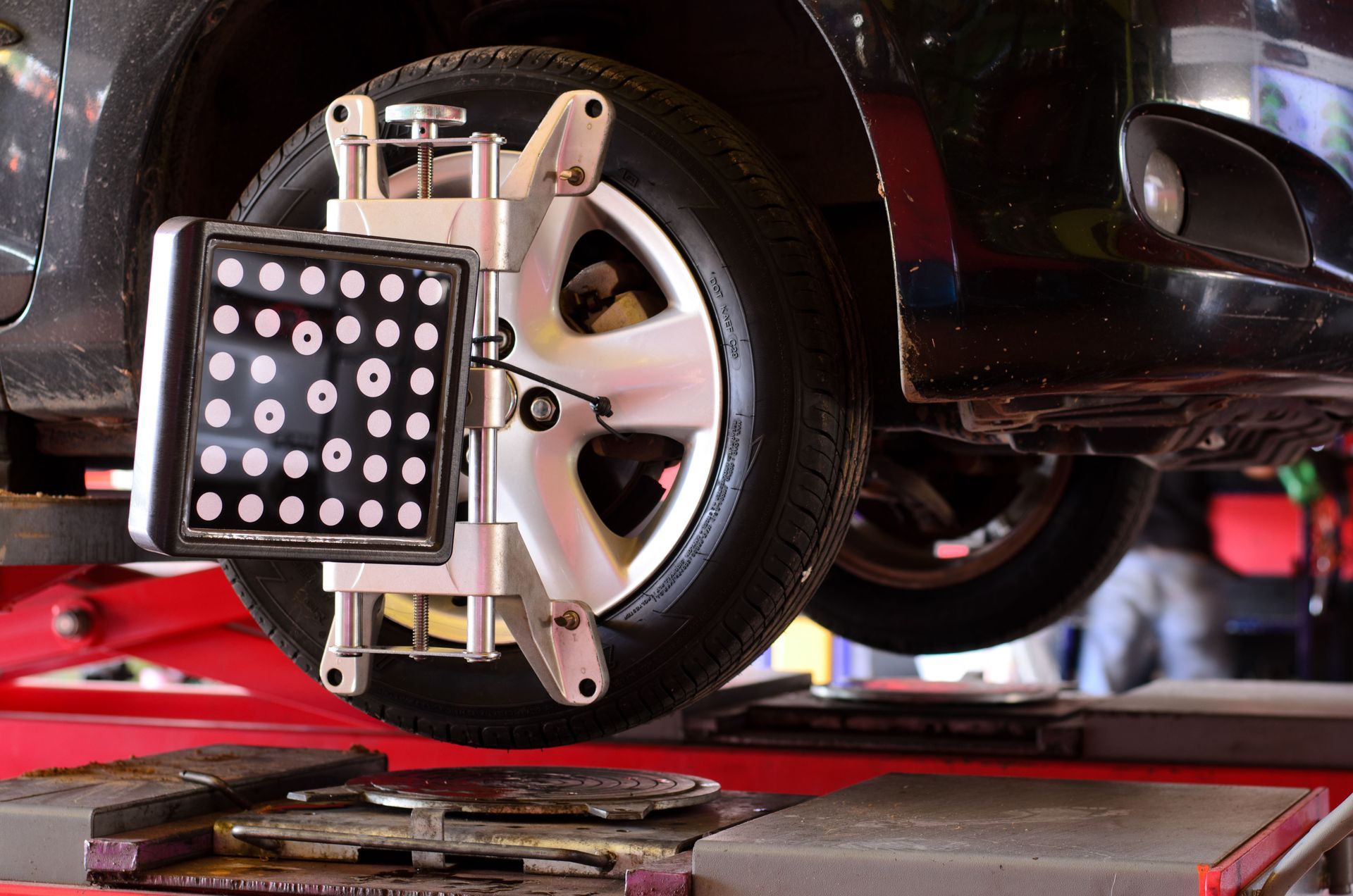
Vehicle alignment refers to the precise adjustment of suspension angles that determine how each tire meets the road surface. When these angles are correctly set, a vehicle can travel in a straight line with minimal steering correction, balanced handling, and consistent tire contact across all four wheels. Wheel alignments are essential because they help maintain stability, reduce unnecessary rolling resistance, and support predictable handling in everyday driving conditions. Over time, normal road impacts such as potholes, speed bumps, and curb contact can gradually shift these settings, even if the changes are not immediately noticeable to the driver. Routine inspection allows technicians to detect these subtle deviations early, preventing them from developing into larger mechanical issues that could affect safety, comfort, and long-term vehicle performance.
Poor alignment can lead to a range of issues that affect both comfort and safety, often developing gradually before becoming more noticeable. Drivers may observe the steering wheel pulling to one side, vibrations at higher speeds, or uneven tread wear that shortens tire lifespan. These symptoms indicate that the vehicle is no longer distributing weight and motion evenly across all tires, which can also impact braking efficiency and overall road grip. If left unresolved, these issues may place additional strain on steering and suspension components, leading to more expensive repairs. Addressing alignment concerns early helps preserve tire life, improves handling consistency, and reduces stress on key mechanical systems, ultimately supporting more reliable and predictable driving performance over time.
Exploring Tire Wear and Tread Preservation
Tire condition is one of the most visible and practical indicators of a vehicle’s alignment health. When suspension angles are incorrect, tires may begin to wear unevenly across their surfaces, creating patterns such as feathering, cupping, or excessive wear on inner or outer edges. Wheel alignments help ensure that each tire maintains consistent and balanced contact with the road, promoting even tread distribution and maximizing tire lifespan. Without proper alignment, certain areas of a tire can degrade much faster than others, reducing overall traction and increasing the likelihood of premature replacement. This uneven wear can also compromise safety, particularly in wet, icy, or slippery conditions where consistent grip is essential for control.
Even tread wear contributes to better handling, improved braking performance, and overall driving confidence in a variety of road conditions. When tires wear uniformly, they maintain consistent grip levels, which helps the vehicle respond more predictably during acceleration, turning, and stopping. This also supports smoother rides by reducing vibrations caused by uneven tire surfaces. Additionally, uniform wear patterns allow drivers to maximize the full usable life of their tires, helping to avoid unnecessary replacement costs. By maintaining consistent tire contact with the road, vehicles experience more stable performance during both everyday commuting and longer highway journeys, where reliability and control are especially important.
Improving Fuel Efficiency and Driving Performance
Fuel efficiency is directly influenced by how easily a vehicle moves across the road surface and how much resistance it encounters during motion. When wheels are misaligned, increased rolling resistance forces the engine to work harder to maintain speed, which can lead to higher fuel consumption over time. Wheel alignments help optimize tire positioning so that movement is smooth, balanced, and resistance is minimized across all four wheels. This allows the engine to operate more efficiently, especially during highway driving, where sustained speeds amplify the effects of poor alignment. Over time, improved efficiency can contribute to noticeable savings at the fuel pump while also reducing unnecessary strain on the drivetrain.
Beyond fuel savings, proper alignment significantly enhances overall driving performance by improving steering responsiveness and vehicle control. Drivers benefit from smoother directional changes, reduced steering effort, and less need for constant corrections to maintain a straight path. This creates a more comfortable and less fatiguing driving experience, particularly during long trips or in heavy traffic conditions where constant adjustments are common. Consistent alignment ensures that the vehicle responds predictably to driver input, which is essential for both safety and performance optimization. It also contributes to a more refined driving feel, allowing the vehicle to perform as intended under a wide range of road and weather conditions.
Extending Suspension and Steering System Life
Suspension and steering systems are designed to absorb road impact, maintain tire contact, and provide precise directional control, but they rely heavily on proper alignment to function effectively. Wheel alignments reduce unnecessary strain on components such as tie rods, ball joints, control arms, and shock absorbers by ensuring that forces are evenly distributed across the system. When alignment is off, these parts must compensate for imbalance and misdirected force, which leads to accelerated wear and potential mechanical failure over time. This added stress can also reduce ride comfort and make the vehicle feel less stable, particularly when driving over uneven or rough road surfaces.
Protecting these systems through regular maintenance helps extend the life of critical vehicle components and reduces the likelihood of costly repairs. A well-aligned vehicle experiences less stress during turns, stops, and acceleration, which preserves mechanical integrity and supports smoother operation overall. This not only improves driving comfort but also helps maintain consistent performance over the long term. Over time, this proactive care contributes to a more reliable and durable vehicle, reducing downtime and improving long-term ownership value. In addition, it allows drivers to avoid unexpected breakdowns that can result from cumulative wear on neglected steering and suspension parts.
Maintaining proper alignment is a fundamental aspect of responsible vehicle care that directly influences safety, performance, and long-term durability. When wheel alignments are kept within proper specifications, drivers benefit from smoother handling, improved tire longevity, and reduced strain on critical mechanical systems. These advantages work together to create a more efficient and reliable driving experience, especially over extended periods of use. Regular attention to alignment helps prevent small issues from developing into larger, more costly repairs, ultimately supporting better vehicle health and overall performance consistency.
Ultimately, consistent maintenance practices play a key role in preserving both the value and functionality of a vehicle. By prioritizing alignment checks as part of routine service, drivers can ensure that their vehicles remain dependable, efficient, and safe under a variety of driving conditions. This proactive approach not only reduces long-term expenses but also enhances overall driving comfort and confidence. Over time, it contributes to a longer-lasting vehicle that performs mile after mile reliably. If you are in need of a vehicle alignment in the Roseville, CA area, contact the experts of wheel alignments at Clark Frame & Wheel Alignment today.