December 29, 2025
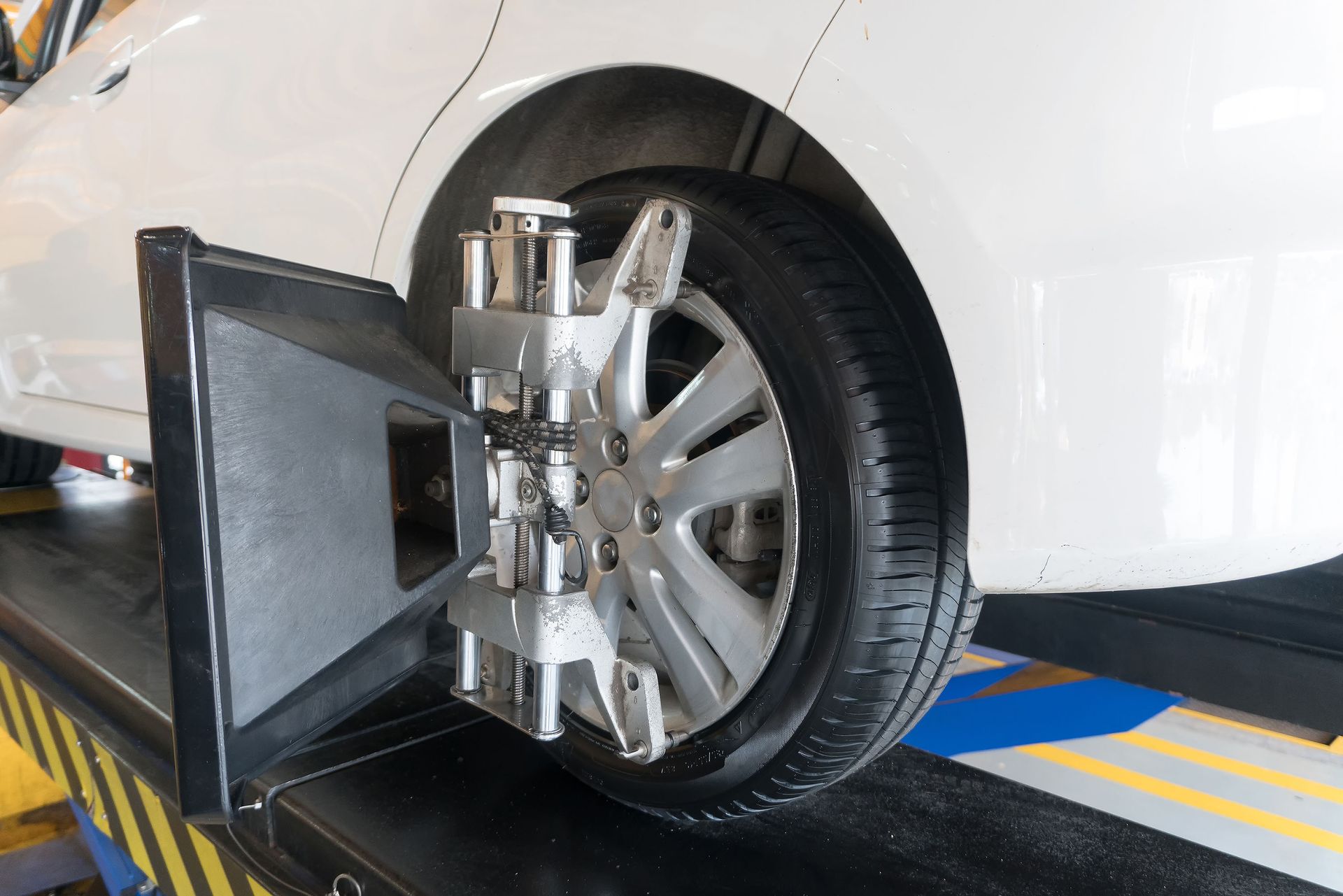
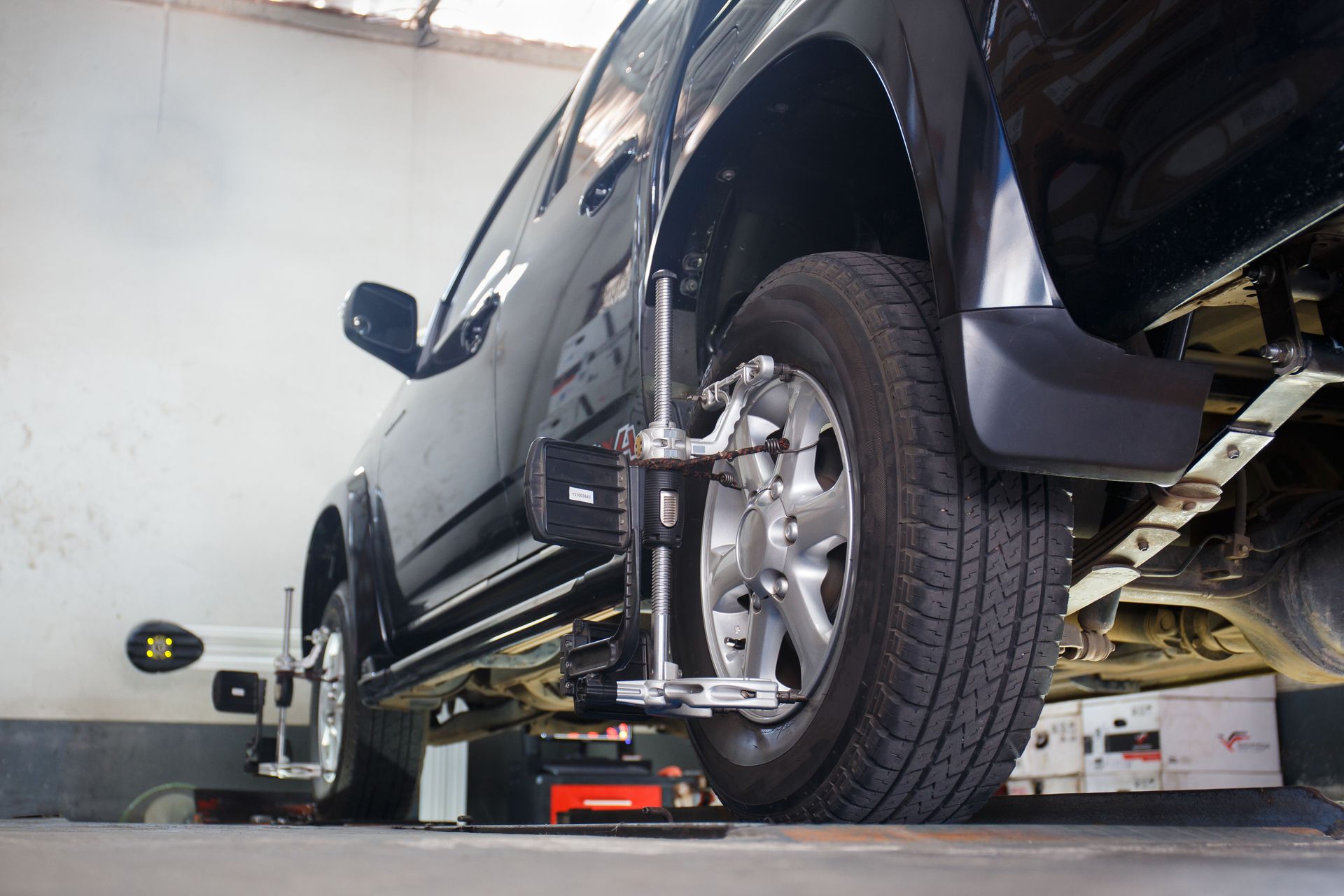
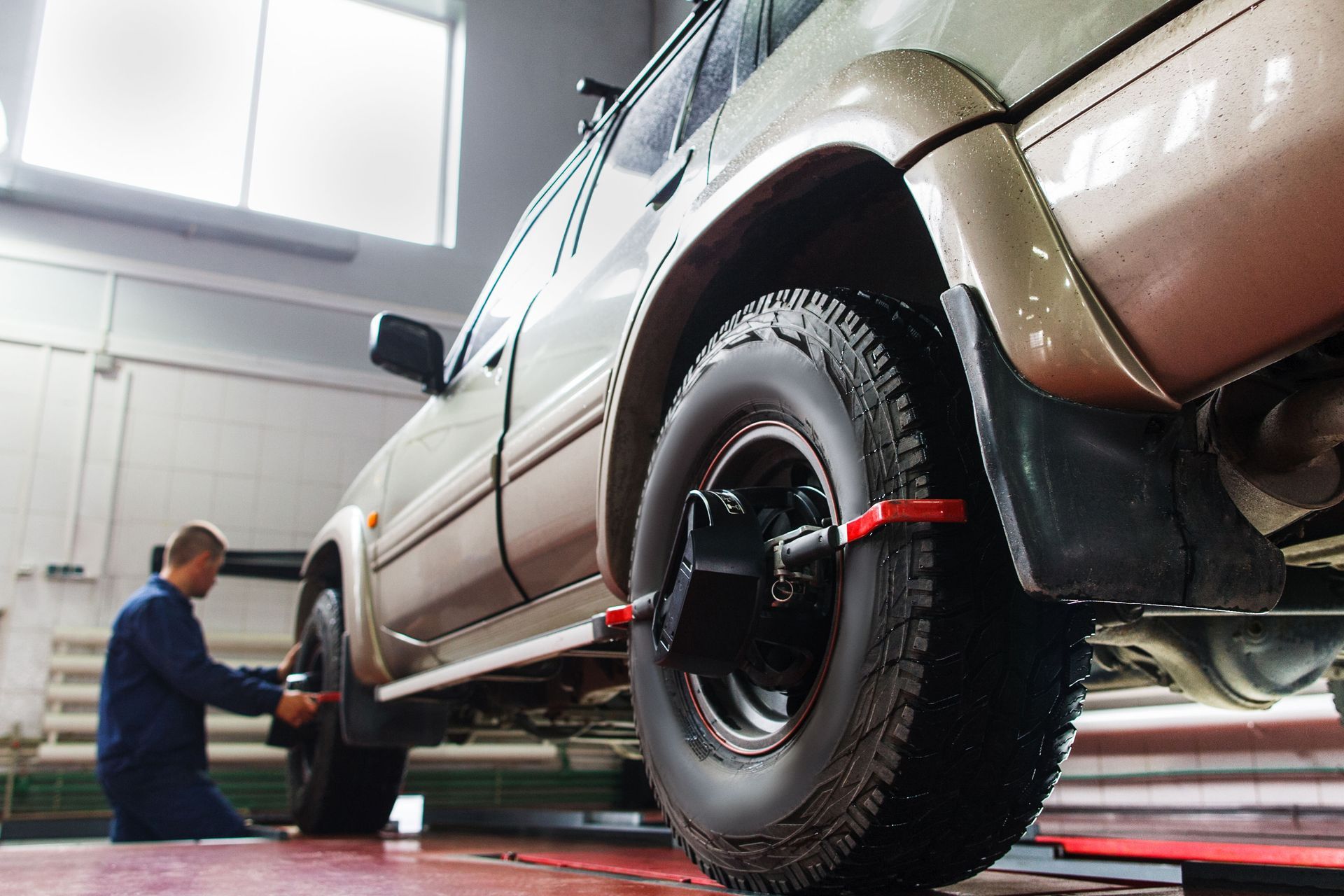
Proper wheel alignment is essential for vehicle safety, tire longevity, and smooth handling. Many drivers underestimate how various factors can influence their alignment needs, and put off going to a professional to get it fixed, which can be highly dangerous. In this blog, we’ll explore five key factors that affect alignment and what you can do to maintain optimal performance.
1. Road Conditions
One of the most significant factors impacting wheel alignment is the condition of the roads you drive on regularly. Potholes, uneven pavement, gravel roads, and speed bumps can gradually cause your wheels to shift out of alignment. Even occasional impacts with large potholes, curbs, or road debris can bend suspension components, damage tires, or misalign the wheels. Over time, repeated exposure to rough surfaces can create small changes in wheel angles that may go unnoticed until more serious problems develop. If you notice changes in your steering or alignment after driving on these road conditions, it is important to contact a professional.
Driving frequently on rough or poorly maintained roads places continuous stress on your vehicle’s suspension and steering system. Misaligned wheels can lead to uneven tire wear, reduced fuel efficiency, vibrations in the steering wheel, and poor handling, making it difficult to maintain control of your car, particularly at high speeds or in wet conditions. Alignment professionals can inspect your suspension and steering systems for damage, adjust angles, and ensure your tires wear evenly. Preventative alignment checks are especially important if you live in areas with older or poorly maintained roads, as early intervention can prevent expensive repairs, extend tire life, and maintain safe driving performance over time.
2. Driving Habits
Your driving style significantly affects how often your vehicle may need wheel alignment. Aggressive driving, such as sudden stops, sharp turns, rapid acceleration, or high-speed cornering, places additional strain on suspension components and can gradually shift wheel angles. Even occasional impacts with curbs, potholes, or road debris can subtly alter alignment, causing uneven tire wear, poor handling, and reduced fuel efficiency over time. Drivers who frequently drive on winding roads or in heavy traffic may unintentionally increase the stress on their vehicle’s steering and suspension systems, accelerating the need for alignment services.
According to Toyota, while it's generally recommended to have your tires aligned every 30,000 miles, road conditions and driving habits can impact your vehicle's needs. This means that even if you are within the mileage guideline, frequent aggressive driving or consistent exposure to rough or uneven roads may require more frequent alignment checks. Drivers who consistently push their cars hard, navigate tight city streets, or carry heavy loads should pay extra attention to signs of misalignment, such as a pulling steering wheel, vibrations, or uneven tire wear.
Professional alignment services can analyze tire wear patterns, steering response, and suspension performance to determine whether adjustments are necessary. By addressing alignment issues promptly, drivers can ensure smooth handling, prolong the lifespan of their tires, improve fuel efficiency, and maintain safer driving conditions. Regular alignment checks tailored to your specific driving habits are an essential part of vehicle maintenance, helping prevent costly repairs and maintaining optimal vehicle performance.
3. Suspension Wear and Damage
The condition of your suspension system plays a crucial role in maintaining proper alignment. Worn-out shocks, struts, control arms, or bushings can cause wheels to tilt, drift, or lose proper tracking, leading to misalignment. Even small amounts of wear or damage can significantly affect handling, braking performance, and tire longevity. Over time, a slightly worn component can gradually shift alignment angles, making the vehicle harder to control and causing tires to wear unevenly.
Suspension damage may occur gradually or suddenly from impacts like hitting a curb, driving over potholes, or encountering debris on the road. Additionally, general wear and tear from high-mileage driving can weaken suspension parts, further affecting wheel alignment. Ignoring worn components can result in uneven tire wear, vibration in the steering wheel, pulling to one side while driving, and even reduced fuel efficiency. Professional alignment services typically include a thorough inspection of the suspension system to identify issues contributing to misalignment.
Replacing or repairing worn parts alongside an alignment ensures your vehicle handles safely and smoothly, prevents further stress on tires and other components, and helps avoid costly repairs in the long run. Regular maintenance of the suspension system not only protects your vehicle but also improves ride comfort and overall driving safety.
4. Tire Condition and Type
The tires themselves also play a significant role in influencing alignment needs. Uneven tire wear, mismatched tires, or improperly inflated tires can all affect wheel angles and tracking, ultimately impacting handling and safety. For instance, a significantly worn front tire can cause the vehicle to pull to one side, even if the suspension system is intact. Similarly, overinflated or underinflated tires can alter how the tire contacts the road, creating uneven wear patterns and placing additional stress on alignment angles.
Different types of tires, such as performance, all-terrain, or off-road models, may require more frequent alignment checks due to variations in tread patterns, sidewall stiffness, and intended driving conditions. Tires with aggressive tread patterns, for example, can exacerbate alignment issues if angles are even slightly off. Regular tire rotation, maintaining proper tire pressure, and checking for signs of wear or damage are essential preventative steps. Wheel alignment specialists can assess tire condition during routine service, recommend necessary adjustments, and help ensure even wear across all tires.
Maintaining proper tire care alongside alignment not only protects your investment but also promotes safe, predictable handling, improved fuel efficiency, and longer tire life. Drivers who neglect tire maintenance may find themselves replacing tires prematurely or experiencing compromised vehicle stability on wet or uneven roads.
5. Vehicle Modifications
Modifications to your vehicle can also impact alignment. Installing larger tires, lowering or lifting the suspension, or adding aftermarket performance parts can significantly change the geometry of your steering and suspension system. Even aesthetic modifications, such as custom wheels or spacers, can alter the alignment angles and affect how the tires contact the road. These alterations can lead to misalignment if not properly addressed, which may result in uneven tire wear, poor handling, and reduced fuel efficiency over time.
Even small modifications, such as aftermarket wheels or a slightly altered suspension setup, can affect the camber, caster, and toe angles of your wheels, disrupting the vehicle’s intended performance. Drivers who customize their vehicles should consult with alignment professionals to ensure all angles are correctly set for their specific setup. Regular alignment checks after modifications prevent uneven tire wear, maintain handling precision, and reduce the risk of suspension damage. Proper alignment is critical for everyday driving and performance driving alike, ensuring safety, stability, and optimal performance on a variety of road conditions.
Additionally, professional technicians can provide recommendations on how modifications may affect future maintenance needs, helping drivers avoid costly repairs and maintain peak performance.
Alignment plays a vital role in vehicle safety, handling, and tire life. Paying attention to factors like road conditions, driving habits, suspension health, tire condition, and modifications helps you maintain optimal alignment. Routine professional alignment services ensure your vehicle performs safely and efficiently for years to come. If you are looking for professional alignment services for your car, contact Clark Frame & Wheel Alignment today to learn more and get started!