November 5, 2026
Maintaining proper wheel suspension angles is one of the most effective strategies for preserving tire tread life, maximizing fuel efficiency, and ensuring safe vehicle handling across everyday driving conditions. Automobile tires represent a significant financial investment, functioning as the sole contact point between a multi-ton vehicle and the open road. As vehicles travel over pothole-riddled streets, uneven pavement, speed bumps, and unexpected road debris, subtle physical impacts alter the delicate suspension geometry designed by automotive engineers. Over time, misaligned wheels cause tires to drag sideways rather than rolling smoothly across asphalt surfaces, accelerating rubber tread wear and creating uneven friction patterns that compromise braking distance and steering response.
Addressing suspension misalignment through routine technical inspection protects tire tread depth, reduces rolling resistance, and stabilizes overall vehicle control. When wheel angles drift away from factory specifications, tires experience severe feathering, camber wear, or heel-and-toe scrubbing that ruins rubber compounds long before their expected operational lifespan. Furthermore, crooked steering angles force drivers to make continuous steering wheel corrections, increasing driver fatigue and placing unnecessary physical stress on power steering components, ball joints, and tie rods. Exploring how precision suspension adjustment protects tire investments reveals how correcting improper camber angles, eliminating toe drag scrubbing, analyzing steering geometry principles, restoring proper caster stability, maximizing fuel economy performance, and partnering with experienced local mechanics combine to extend tire durability and preserve driving safety.
Correcting Improper Camber Angles and Eliminating Inner Edge Wear
Correcting improper camber angles protects tire shoulders from premature thinning and structural degradation caused by uneven weight distribution. Camber refers to the inward or outward tilt of the wheels when viewed directly from the front of the vehicle. When suspension components wear down or suffer impact damage, wheels tilt excessively inward or outward, placing intense physical pressure on specific sections of the tire tread.
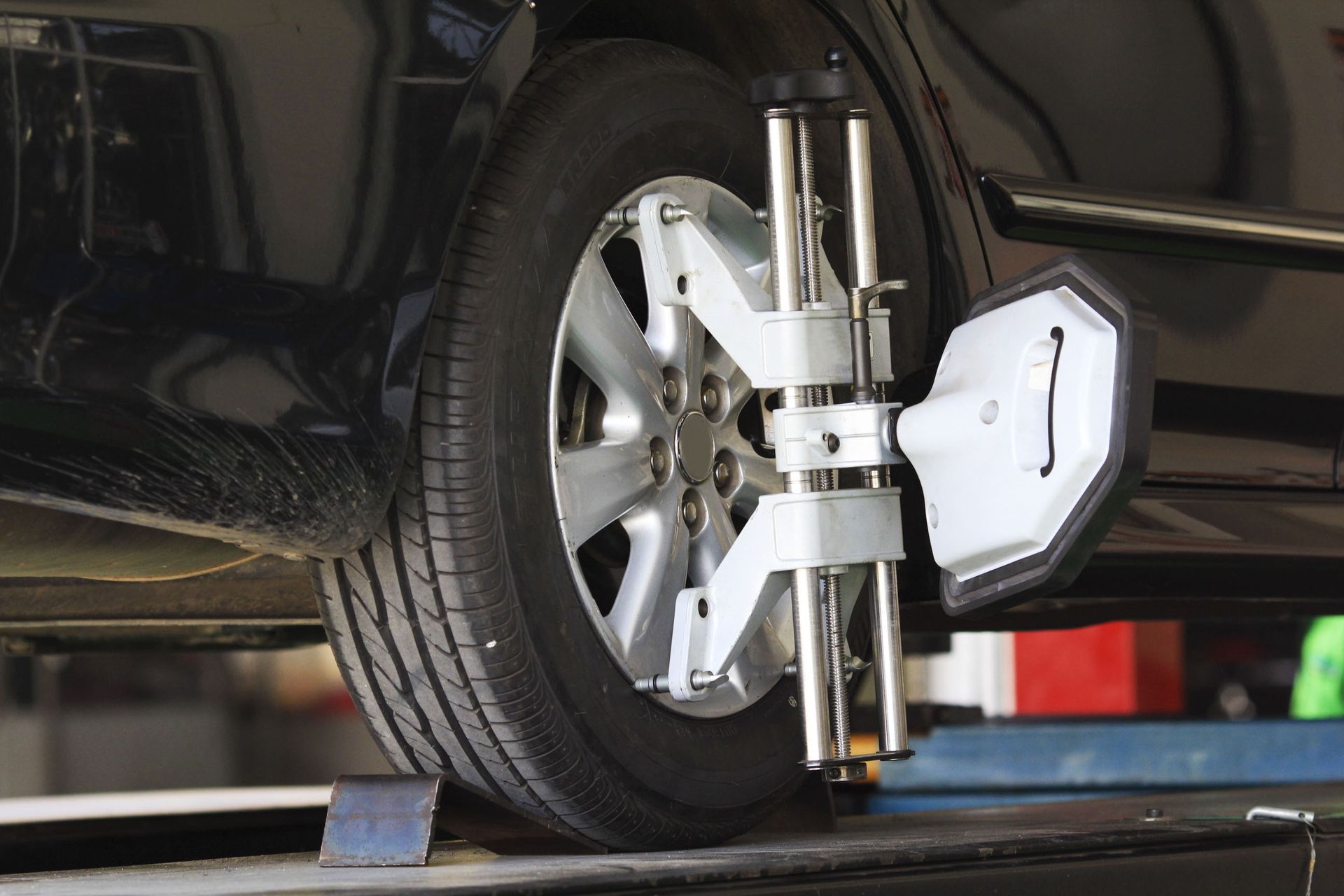
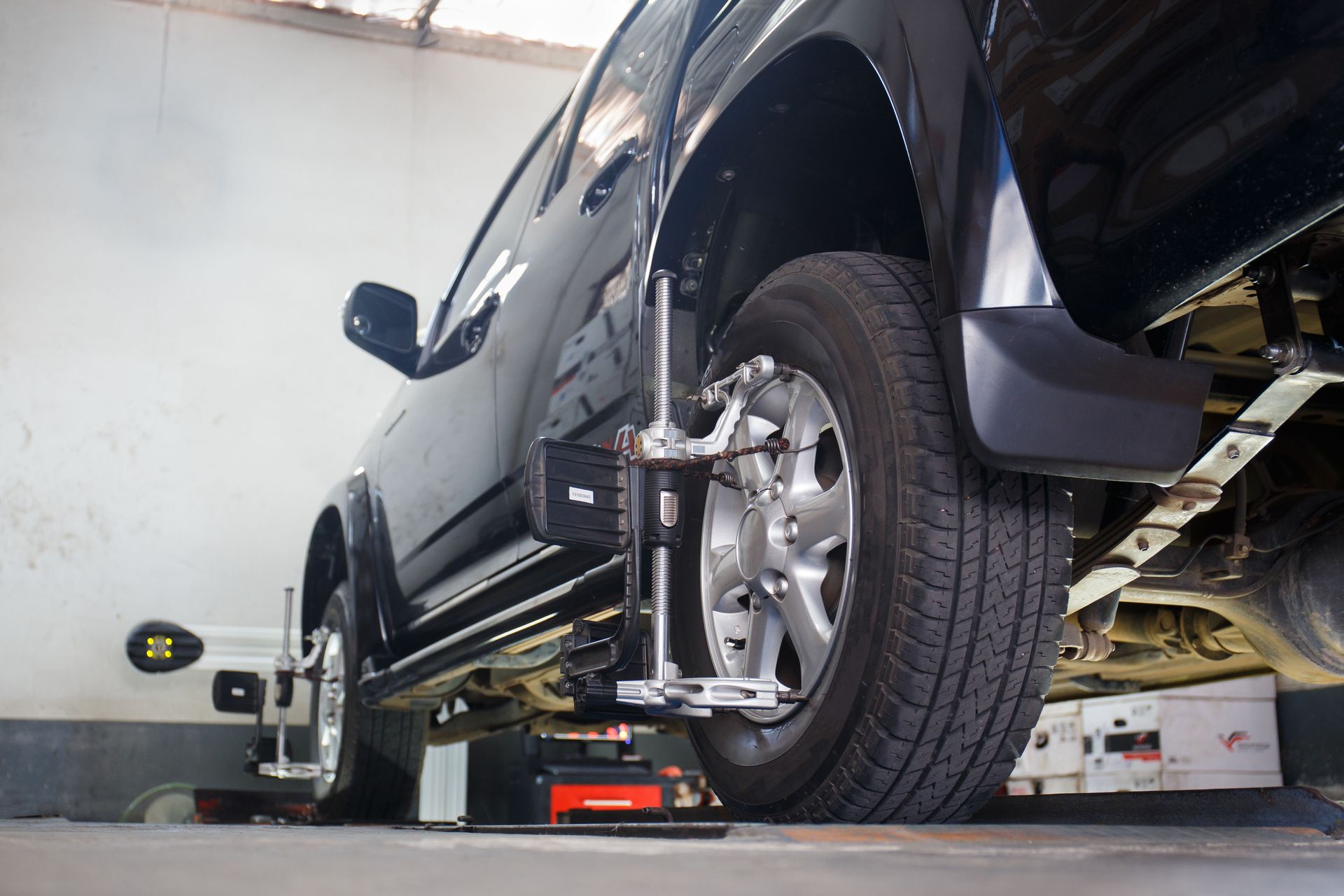
Excessive negative camber causes rapid wear along the inner edge of the tire tread, while positive camber strips away outer shoulder rubber. Precision suspension adjustments realign wheel vertical angles to ensure that tire contact patches rest flat against road surfaces. Scheduling a professional local wheel alignment corrects camber drift, distributes vehicle weight evenly across the entire tread width, and prevents premature inner edge tire failure.
Eliminating Toe Drag Scrubbing and Preventing Feathered Tread Patterns
Eliminating toe misalignment prevents aggressive tread scrubbing, which literally scrapes precious rubber off tire carcasses with every rotation. Toe alignment describes the direction wheels point relative to the vehicle centerline when viewed from directly above, similar to duck-footed or pigeon-toed foot placement. When wheels point inward or outward improperly, tires scrub laterally against road surfaces while moving forward.
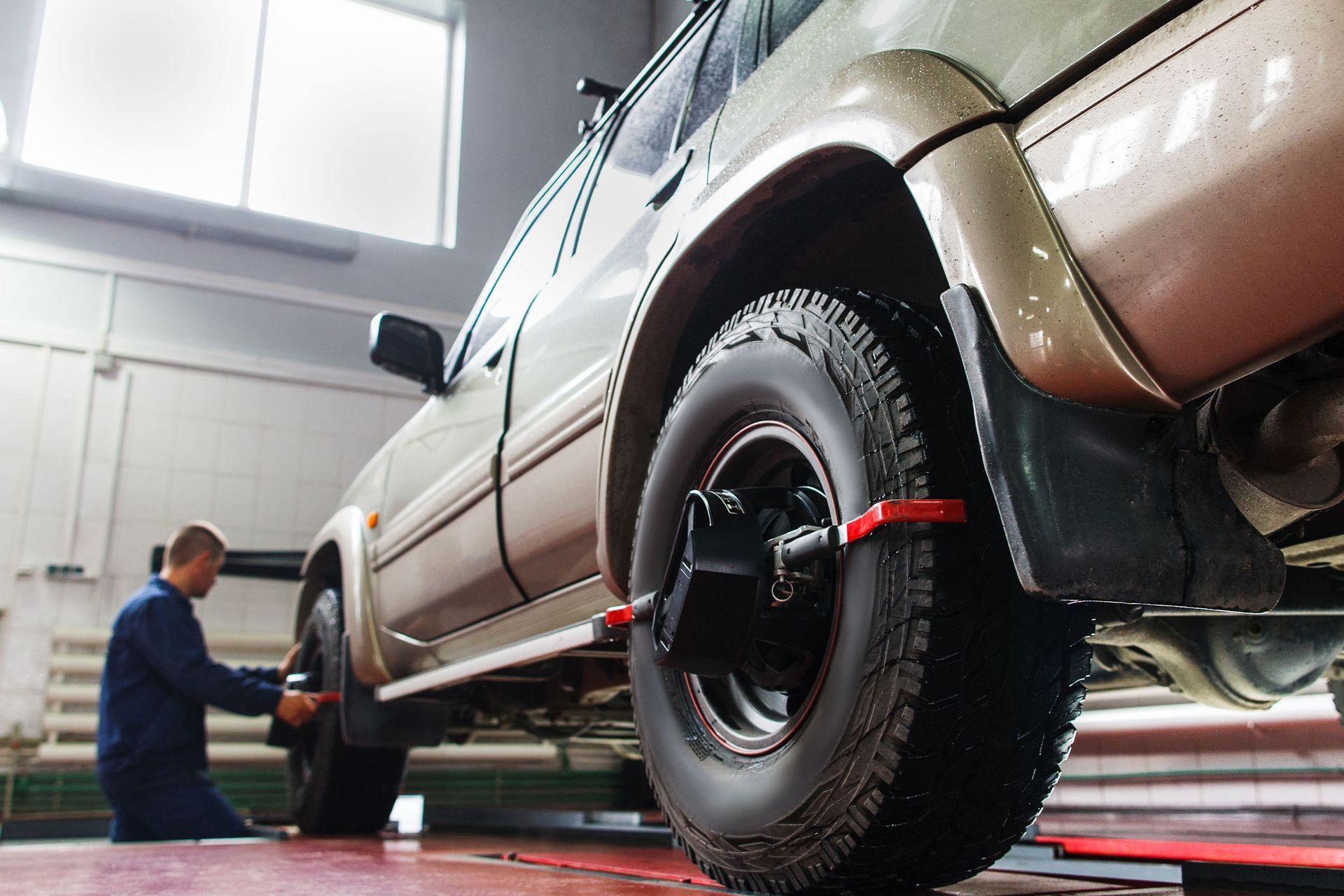
This lateral dragging creates feathered tread edges, where rubber blocks feel smooth when sliding a hand inward across the tire but sharp when sliding outward. Drivers who neglect toe alignment often discover that their tires wear out after just a fraction of their rated mileage. Contracting a comprehensive local wheel alignment brings wheel toes back into exact factory alignment, eliminating tire dragging and ensuring smooth, even rolling motion.
Analyzing Steering Geometry Principles and Understanding Turning Radii
Analyzing advanced steering geometry principles reveals how intricate suspension systems work together to maintain tire traction during sharp turns and parking maneuvers. Front suspension systems utilize specialized linkage angles, known as Ackermann geometry, to ensure that inner and outer wheels follow distinct turning curves without dragging or sliding across pavement.
Technical alignment research illustrates how suspension systems alter wheel angles during steering maneuvers to keep tires tracking smoothly. According to MOTOR, the individual wheel toe angles differ while turning when the wheel is turned more than 20°. Utilizing a specialized local wheel alignment service ensures that these complex dynamic steering angles remain fully calibrated, preventing tire scrub during sharp turns and low-speed parking passes.
Restoring Proper Caster Stability and Improving Directional Tracking
Restoring precise caster angles improves straight-line stability, enhances steering wheel returnability, and protects tires from dynamic cornering scrub. Caster represents the forward or backward tilt of the steering axis when viewed from the side of the vehicle. Proper positive caster creates a stabilizing effect similar to the front casters on a shopping cart, keeping the vehicle tracking straight down highway lanes without drifting.
When caster angles are uneven between left and right wheels, the vehicle pulls persistently toward one side of the road. This constant pulling forces the driver to hold counter-steering pressure, causing uneven diagonal tire scrubbing and premature tread wear across front steering tires. Investing in a precision local wheel alignment balances caster angles, eliminates vehicle drift, and ensures effortless straight-line tracking on highway trips.
Maximizing Fuel Economy Performance and Reducing Rolling Resistance
Maximizing fuel efficiency serves as a direct financial benefit of maintaining properly aligned wheels and optimized tire contact patches. Misaligned wheels create excessive rolling resistance, forcing the engine to consume more fuel simply to push tires forward against lateral scuffing forces. Driving a vehicle with severe toe or camber misalignment compares to pulling a heavy sled across dry pavement with the brakes partially engaged.
Properly aligned wheels roll freely with minimal friction, allowing the engine to operate efficiently and lower fuel consumption. Reducing rolling resistance through routine suspension adjustments also lowers tire operating temperatures, preventing thermal breakdown within rubber compounds. Sourcing a detailed local wheel alignment reduces pump expenses, extends fuel range, and protects tires against heat-induced structural degradation.
Protecting your vehicle's tires through routine wheel alignment represents a vital component of proactive automotive maintenance that pays immediate dividends in tire longevity, fuel efficiency, and driving safety. Ignoring minor suspension impacts, crooked steering wheels, persistent vehicle pulling, or uneven tread wear rapidly destroys expensive tires and compromises overall road handling. By correcting improper camber angles, eliminating toe drag scrubbing, balancing caster stability, and reducing rolling resistance, vehicle owners transform rough, unstable rides into smooth, efficient driving experiences. Furthermore, understanding technical steering geometry principles highlights the extreme precision required to keep wheels tracking harmoniously during complex turns. Working alongside certified, experienced local mechanics guarantees accurate computerized measurements, thorough suspension checks, and lasting adjustments that stand up to daily road challenges. Taking a preventive approach to suspension care safeguards your tire investment, enhances fuel economy, and ensures that your vehicle drives straight, quiet, and safe for miles to come.
At Clark Frame & Wheel Alignment, we are deeply committed to protecting your tire investment, restoring smooth vehicle handling, and delivering superior automotive suspension care through master trade craftsmanship, computerized laser technology, and dedicated customer service. Our team of certified alignment specialists brings extensive suspension repair expertise, frame straightening, camber and caster calibrations, toe adjustments, steering linkage replacements, tire wear diagnostics, and meticulous attention to detail to every residential vehicle inspection, commercial fleet maintenance service, heavy-duty truck repair, performance tuning project, and professional local wheel alignment service we execute across our community. We take immense pride in evaluating your vehicle's unique suspension dynamics, analyzing tire wear patterns, guiding you through hand-selected repair options, and serving as your trusted auto care partner to bring total driving stability, maximum fuel economy, and enhanced safety to your automobile. Furthermore, our business prioritizes clear communication, transparent written estimates, clean facility standards, and exceptional service performance from initial road test through final alignment printout review. We carefully inspect every control arm, ball joint, tie rod end, and sensor positioning to guarantee maximum tire tread life, precise tracking, and complete vehicle owner satisfaction. Contact us today to schedule your comprehensive suspension assessment and discover the true value of working with dedicated local alignment specialists.